

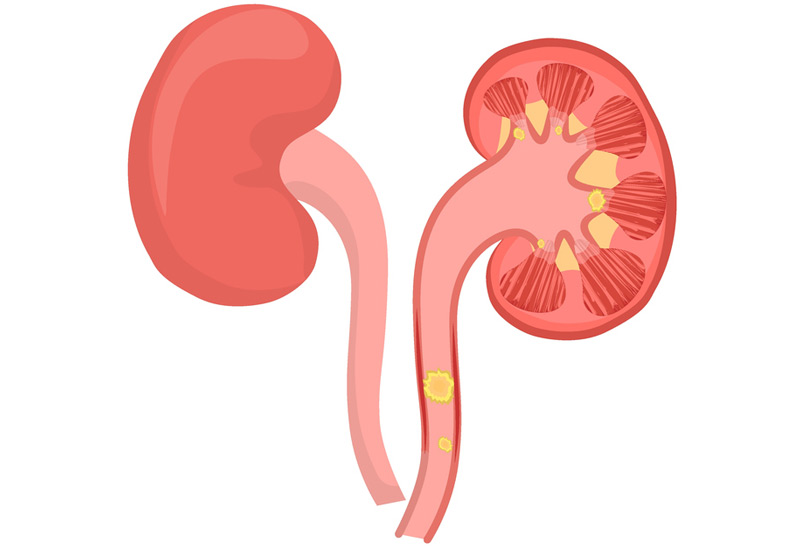
Ureteroscopic surgery, also known as a ureteroscopy, is done to examine the ureter for kidney stones and identify potential treatment options depending on the patient’s condition.
What Are Kidney Stones?
A buildup of salts and minerals in the body could cause the formation of kidney stones and create a blockage. Symptoms of kidney stones may go unnoticed until the individual experiences sharp pain or sees blood in their urine. Other symptoms include frequent urination or an urgent need to urinate, nausea, vomiting, fever, and chills.
Kidney stones can range in size from fine grains of sand to golf balls. They can remain within the kidneys or move through the urinary tract, causing pain. The discomfort or pain may be felt in the back or side, or in the pelvis as the stones move towards the bladder.

The risk of kidney stones can increase as a result of the following factors:
- Being male
- Being overweight
- Having an inherited disease
- Having a family history of kidney stones
- Significant change in natural balance of water, minerals, and other substances in urine
- Dehydration, which leads to low urine flow
- Diabetes, gout, and other medical conditions
What to Expect During Ureteroscopic Surgery
Once the patient has arrived at the medical facility, they will meet with their physician to discuss the procedure. Ureteroscopic surgery typically lasts between 60 and 90 minutes.
Once the patient has been sedated, the physician will begin by inserting a ureteroscope into the patient’s ureter. The ureteroscope is a small scope that lets the doctor identify any potential issues, such as kidney stones or any other type of blockage affecting the kidneys.
The next step during the procedure will depend on the size of the kidney stone. Small stones will be removed with a scope that has a small receptacle on the end to grab the stone. Patients with large kidney stones in the ureter will undergo treatment to first break up the stones into smaller pieces before removing them.
Who Is A Candidate For Ureteroscopic Surgery?
Patients may need ureteroscopic surgery if they have:
- Persistent pain around their lower abdomen and groin
- Pain when urinating
- Cloudy urine
- An infection, causing fever and chills (due to an unaddressed kidney stone)
The Recovery Process
Patients will likely need to take antibiotics for a few days after the procedure to reduce the risk of infection and other complications. Significant improvements in the patient’s symptoms should be seen in the hours and days after the ureteroscopy. Before leaving the physician’s office or hospital, the patient will be given specific instructions to follow at home to ensure a full recovery. Patients will also need to schedule a follow-up appointment so that the physician can evaluate their symptoms and recovery.